
Woodinville Siding Repair
★★★★★ 100+ 5-Star Reviews
Licensed & Insured
Free Estimates
Request a Siding Repair Estimate
Request a siding repair inspection
Real Google reviews from homeowners who needed careful repair guidance
Google Reviews • 5.0 Rating
Read all Google Reviews
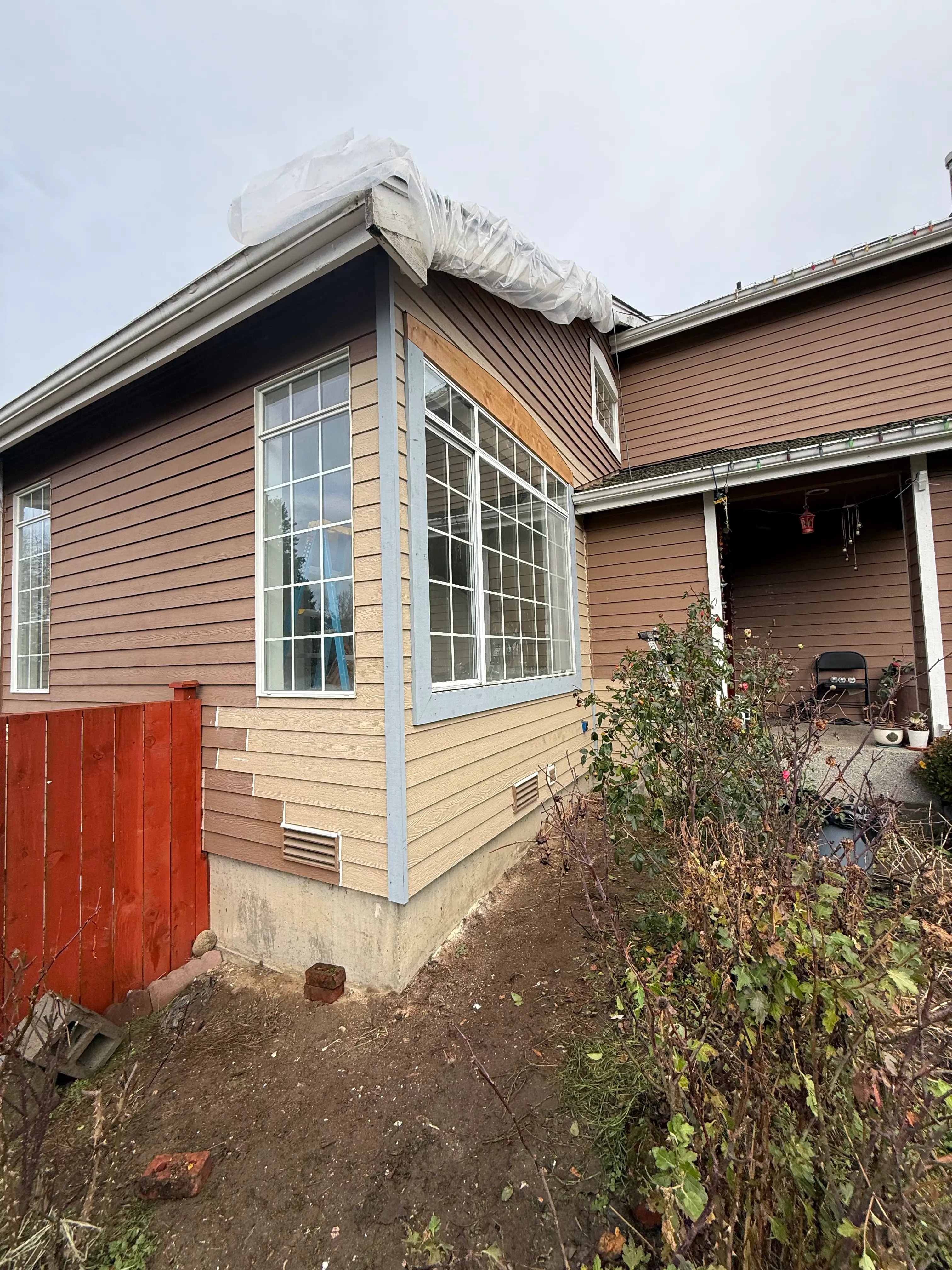
Real project case study
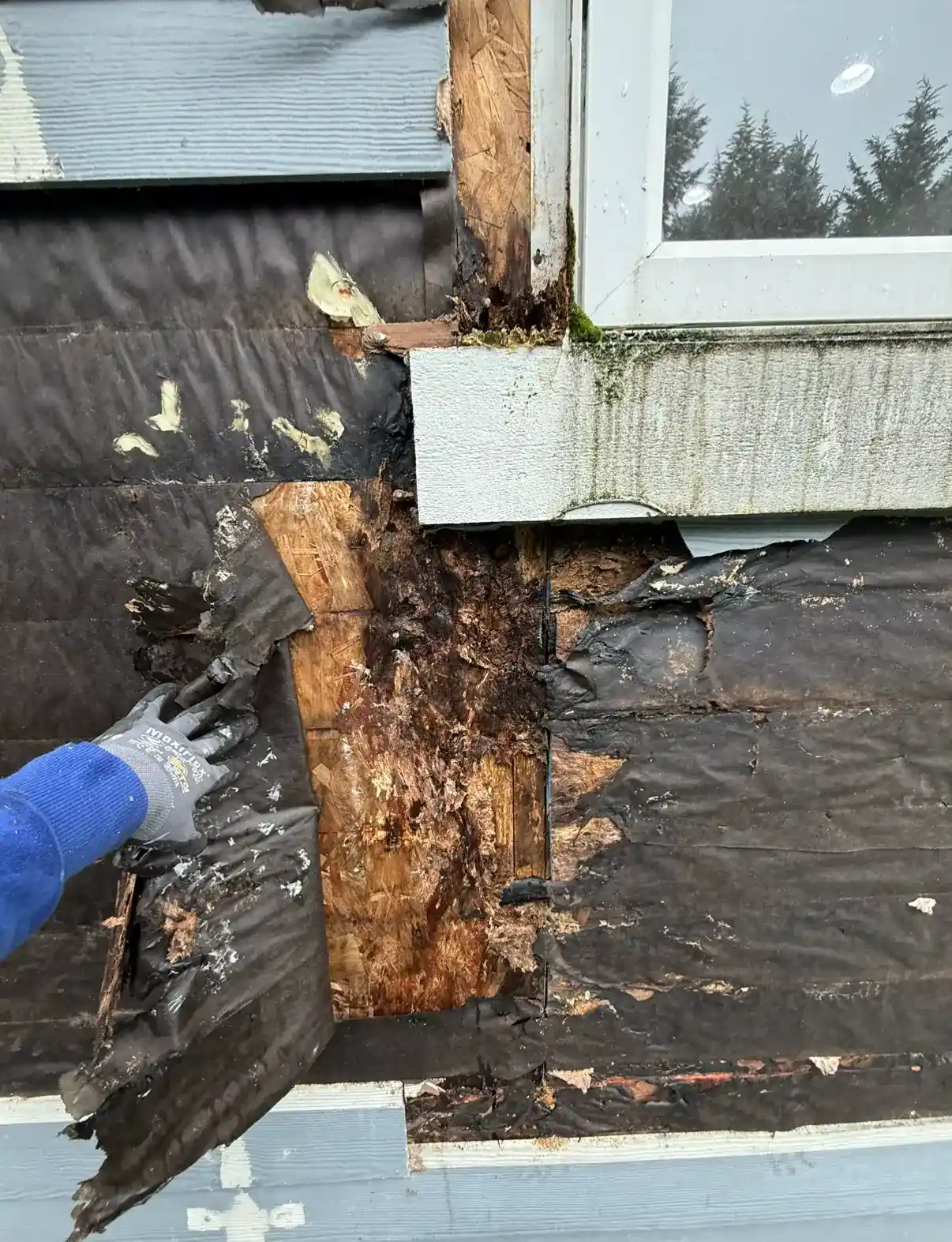
Siding repair starts by finding where water entered the wall
A siding problem may begin with a warped board, a loose corner, or paint that keeps peeling in the same place. The surface issue matters, but the real question is whether moisture has reached the sheathing, trim, or framing behind it. A durable siding repair means finding the failure point, removing damaged material, and rebuilding the exterior detail so the wall can shed water properly.
What we inspect
We look at siding seams, trim joints, window and door edges, flashing, caulk lines, and lower wall areas where splashback or standing moisture may be affecting the wall system.
What may need repair
Depending on the damage, siding repair may involve replacing boards or panels, repairing trim, checking sheathing, correcting flashing, and rebuilding transitions around decks or openings.
What protects the repair
A good siding repair should improve the water-shedding detail that failed, whether that means better flashing, tighter transitions, proper clearances, or replacing damaged materials behind the surface.
Siding project evidence
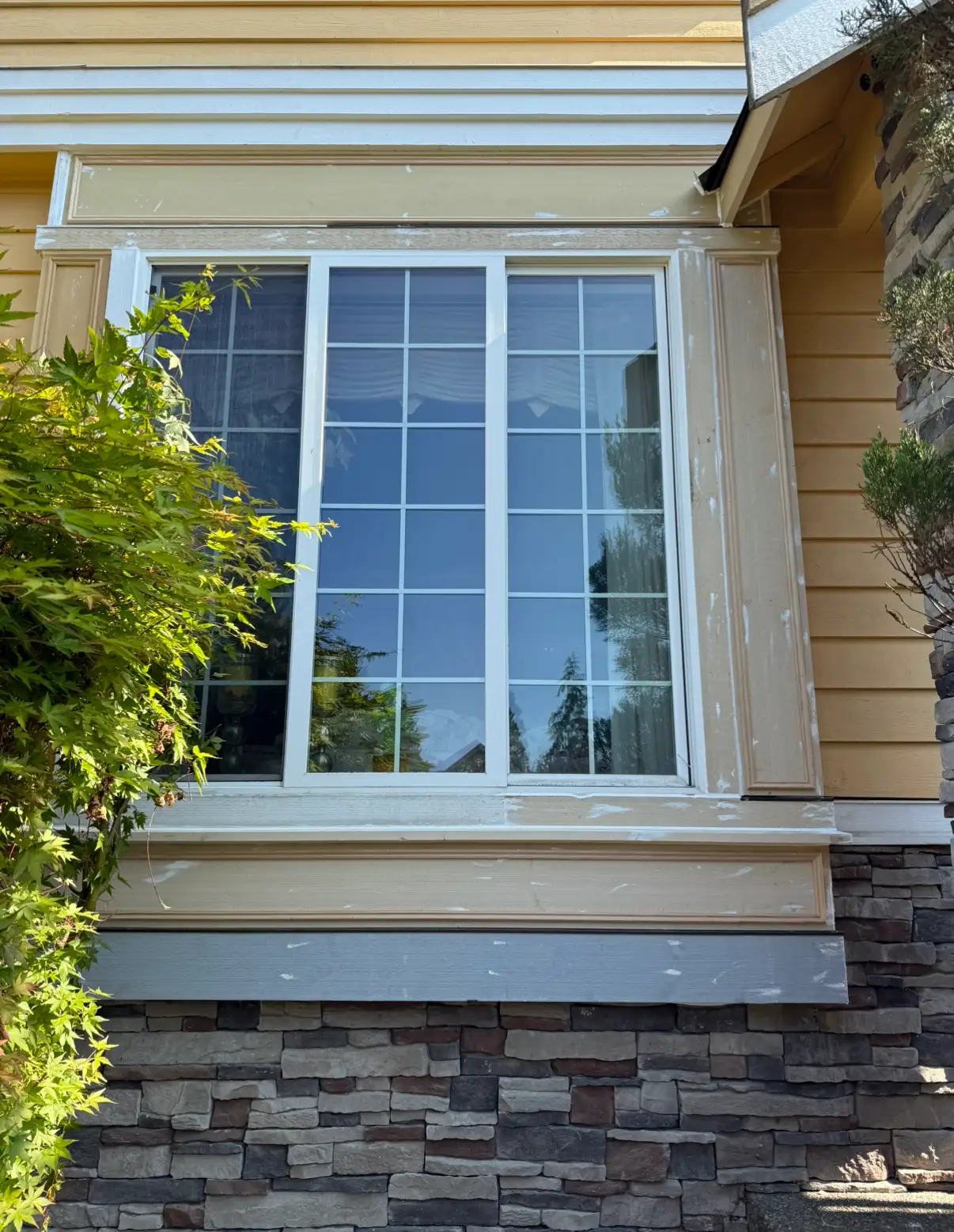
Project photos show how siding repair connects to moisture protection
Siding damage is often tied to trim, sheathing, window details, and deck transitions. Project photos help homeowners understand why a proper siding repair is more than replacing the visible board or panel.

Common causes of siding failure around Woodinville homes
Water behind siding
Rain can enter through open seams, failed caulk, missing flashing, or gaps around trim. Once water gets behind the siding, shaded walls can stay damp for a long time.
Failed trim and flashing
Window trim, deck transitions, and wall penetrations are common failure points when flashing or sealant details no longer direct water away.
Small siding failures ignored
Loose boards, swelling, paint failure, and staining may seem cosmetic, but they can signal moisture reaching sheathing or framing.
Our siding repair process
Inspect siding and trim
We start by checking the damaged siding, nearby trim, wall openings, lower edges, and any areas where water may be entering behind the surface.
Trace the moisture path
We look for failed flashing, open seams, deck-to-wall transitions, splashback, and drainage details that may be allowing the wall to stay damp.
Remove damaged material
Compromised siding, trim, or sheathing should be removed back to sound material before the exterior finish is rebuilt.
Rebuild the wall detail
The repaired area should be rebuilt with proper clearances, flashing, sealing, and transitions so water is directed away from the wall.
Keep water moving
Clean gutters, downspouts, and drainage paths so water is directed away from siding, trim, decks, and framing.
Watch shaded surfaces
North-facing walls, tree-covered areas, and shaded decks can dry slowly. These areas deserve closer seasonal inspection.
Fix small failures early
Open seams, failing paint, loose trim, and small leaks are easier to repair before moisture reaches framing or sheathing.
Siding repair questions Woodinville homeowners ask
How do I know if siding damage is serious?
Signs include loose boards, swelling, dark staining, recurring paint failure, soft trim, gaps at seams, or moisture marks inside the home near the same wall. The key is whether water has reached the material behind the siding.
Can I paint over damaged siding?
Paint can improve appearance, but it will not fix swelling, hidden moisture, failed flashing, or damaged sheathing. If the siding is soft, loose, or repeatedly peeling, the wall detail should be evaluated before painting.
Why does siding fail in the Pacific Northwest?
Long wet seasons, shaded walls, moss, tree cover, and slow drying conditions can make small siding flaws worse. Once water gets behind the siding, the wall may stay damp long enough for damage to spread.
Does siding repair include trim or flashing work?
Often, yes. Siding repair may include trim repair, flashing correction, deck transition work, and moisture-related sheathing repair when those details are part of the failure.
BBB Accredited
A credibility signal for homeowners comparing repair contractors.
Licensed & Insured
Exterior repairs should be handled with accountability and care.
Warranty Options
Ask about workmanship and material coverage for your project scope.
Free Estimates
Start with a clear repair assessment before committing to work.
Siding repair resources
Helpful reading before repairing siding, trim, or moisture-damaged walls
Why siding leaks can become structural damage
Learn how water behind siding can affect sheathing, trim, framing, and nearby deck connections.
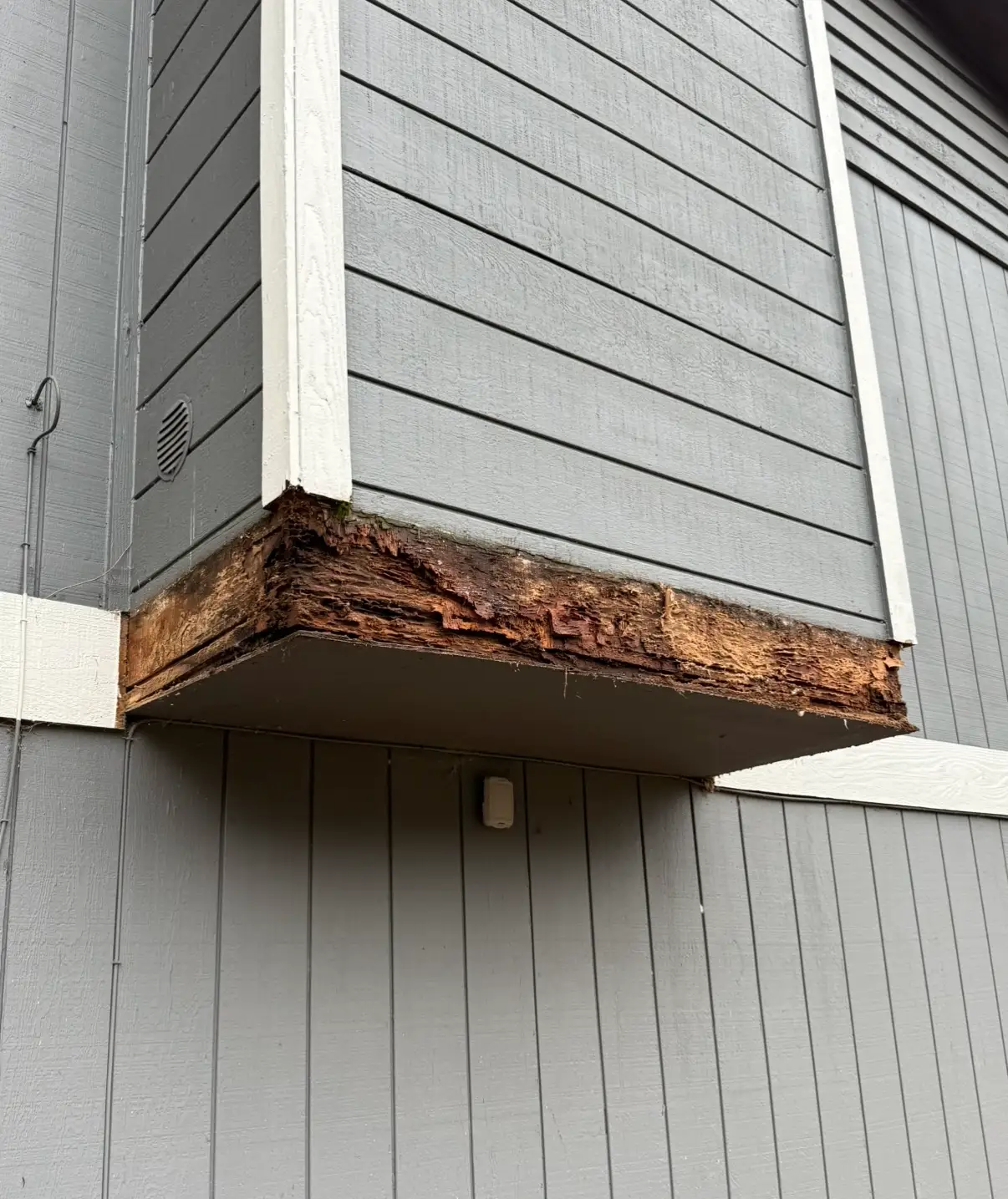
How to spot early wood damage behind siding
Soft trim, staining, and swelling can reveal moisture problems before the wall damage becomes obvious.

Deck transitions that can damage siding
Deck ledgers, rail penetrations, and waterproofing edges can affect the siding and wall assembly beside them.
Seeing loose siding, swollen trim, or signs of moisture behind the wall?
Schedule a Siding Repair Assessment
