Woodinville Wood Rot Repair

Professional dry rot repair in Woodinville, WA

Professional dry rot repair in Woodinville, WA

Professional dry rot repair in Woodinville, WA

Wood decay can start quietly around decks, siding, trim, posts, windows, and framing. By the time a board feels soft or paint begins to blister, moisture may already be moving behind the surface. Eco Home Repair helps Woodinville homeowners find the source, remove compromised material, and rebuild the affected exterior assembly with proper water-management details.

Wood decay can start quietly around decks, siding, trim, posts, windows, and framing. By the time a board feels soft or paint begins to blister, moisture may already be moving behind the surface. Eco Home Repair helps Woodinville homeowners find the source, remove compromised material, and rebuild the affected exterior assembly with proper water-management details.

★★★★★ 100+ 5-Star Reviews

Licensed & Insured

Free Estimates

Request a Wood Rot Estimate

Request a wood rot inspection

Read full SMS consent
By checking this box, you agree to receive SMS from Eco Home Repair LLC. Consent is optional and is not required to purchase services. Message types include estimates, appointment scheduling, appointment reminders, project updates, and customer support. Message frequency may vary. Message and data rates may apply. Reply STOP to unsubscribe. Reply HELP for assistance. View our Privacy Policy and Terms of Service.

Real Google reviews from homeowners who needed careful repair guidance

Google Reviews • 5.0 Rating

Read all Google Reviews

Real project case study
A professional repair starts by finding the moisture path

A professional repair starts by finding the moisture path

On many Woodinville homes, decay is discovered after one small symptom appears: a soft trim board, dark staining, a loose deck edge, or siding that no longer sits flat. The visible board matters, but the larger issue is why the area stayed damp. A durable repair means opening enough of the assembly to understand the condition, removing damaged material, and rebuilding the area so it can shed water and dry properly.

On many Woodinville homes, decay is discovered after one small symptom appears: a soft trim board, dark staining, a loose deck edge, or siding that no longer sits flat. The visible board matters, but the larger issue is why the area stayed damp. A durable repair means opening enough of the assembly to understand the condition, removing damaged material, and rebuilding the area so it can shed water and dry properly.

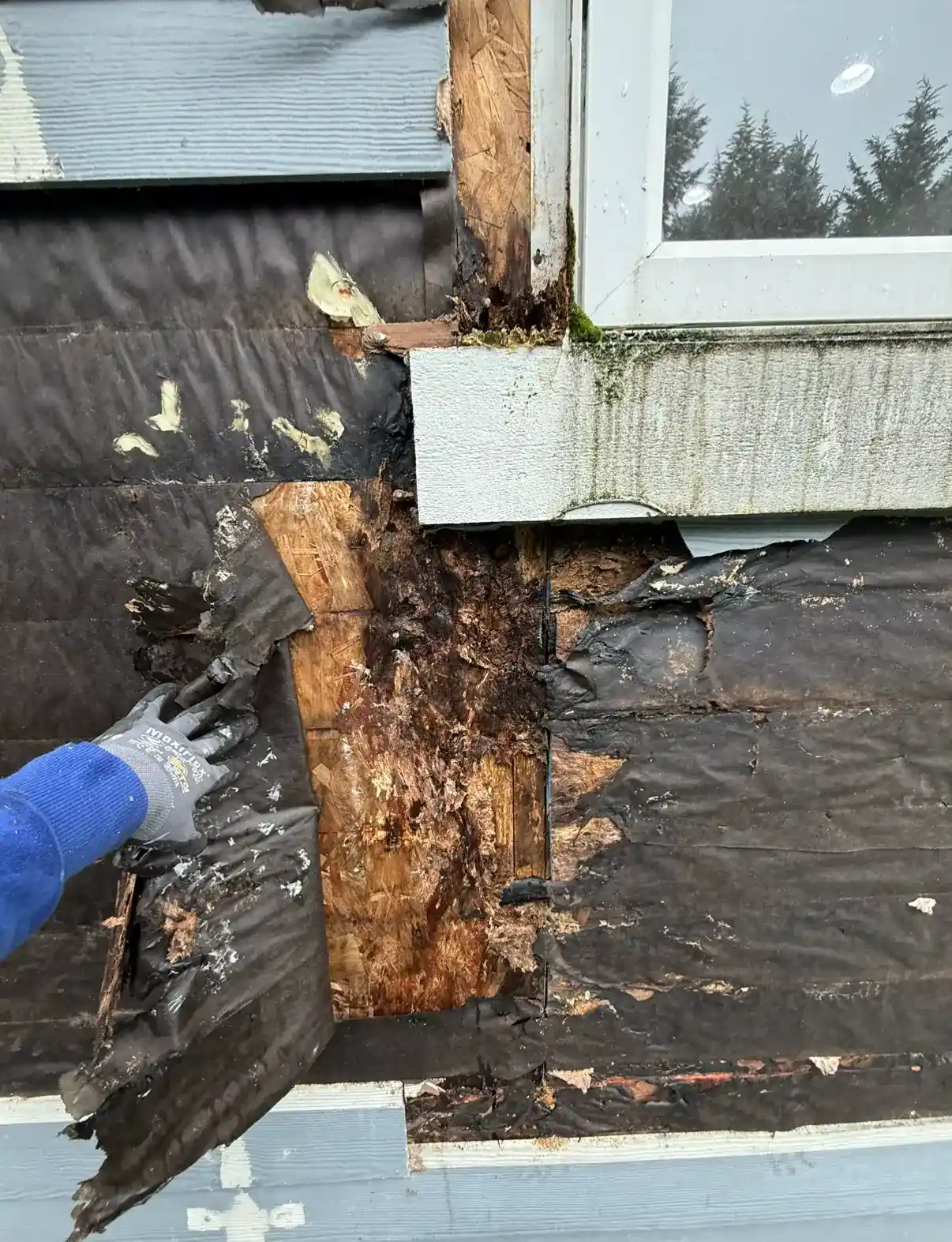
Dry rot damage exposed behind exterior material before repair
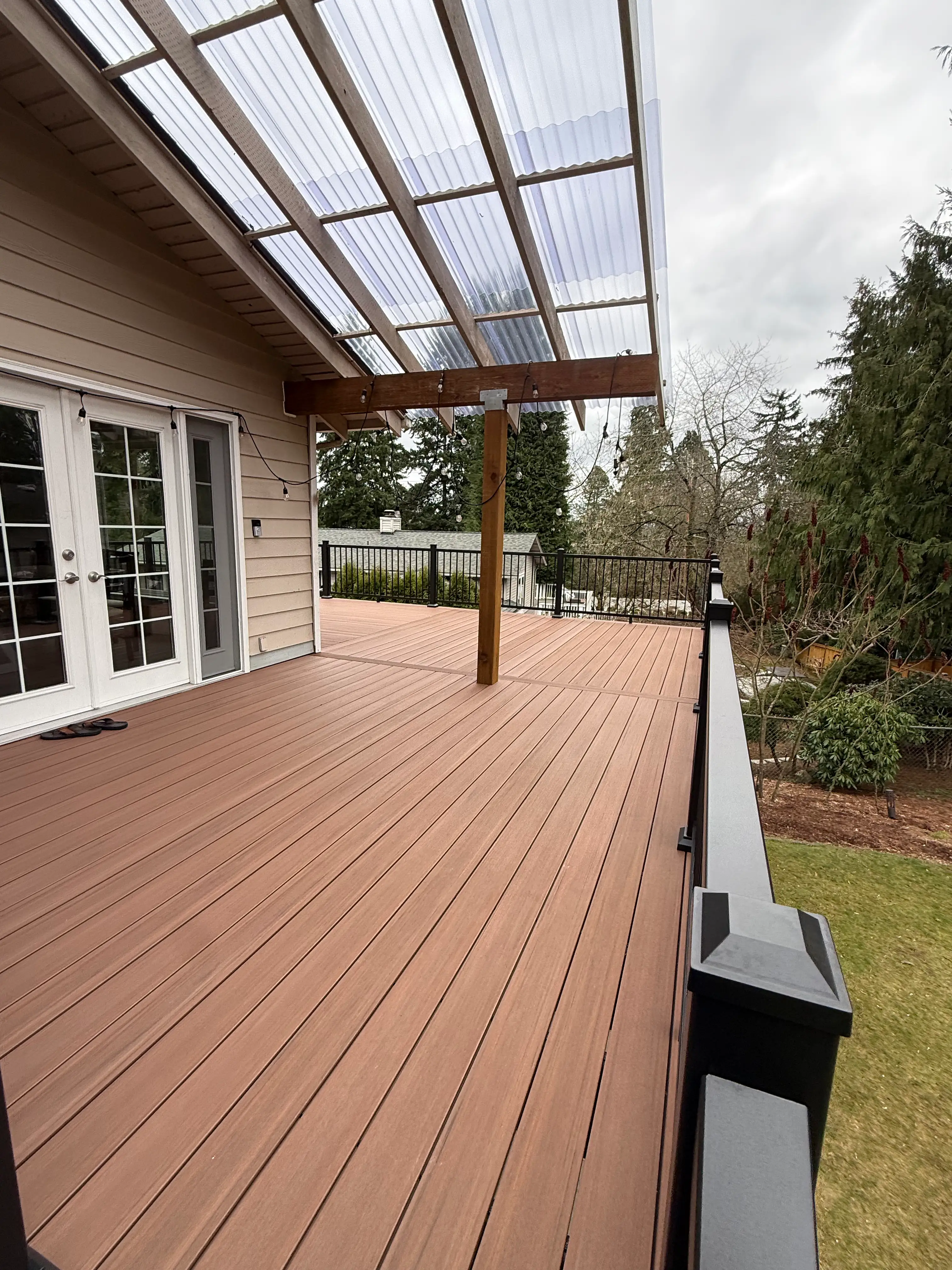
Completed exterior deck restoration after moisture-related repair

What we look for

The inspection starts at the visible damage and moves outward: adjacent trim, siding joints, deck transitions, flashing, and any horizontal surfaces where water may be collecting.

What gets repaired

Compromised wood is removed back to sound material. Depending on the area, that may involve trim, sheathing, deck components, siding edges, or framing connected to the damaged assembly.

What prevents the damage from coming back

The repair plan should improve the water-management detail that failed, whether that means better flashing, drainage, sealing, ventilation, or rebuilding the exterior transition correctly.

Wood rot project evidence
Real repair photos help show what moisture damage hides

Real repair photos help show what moisture damage hides

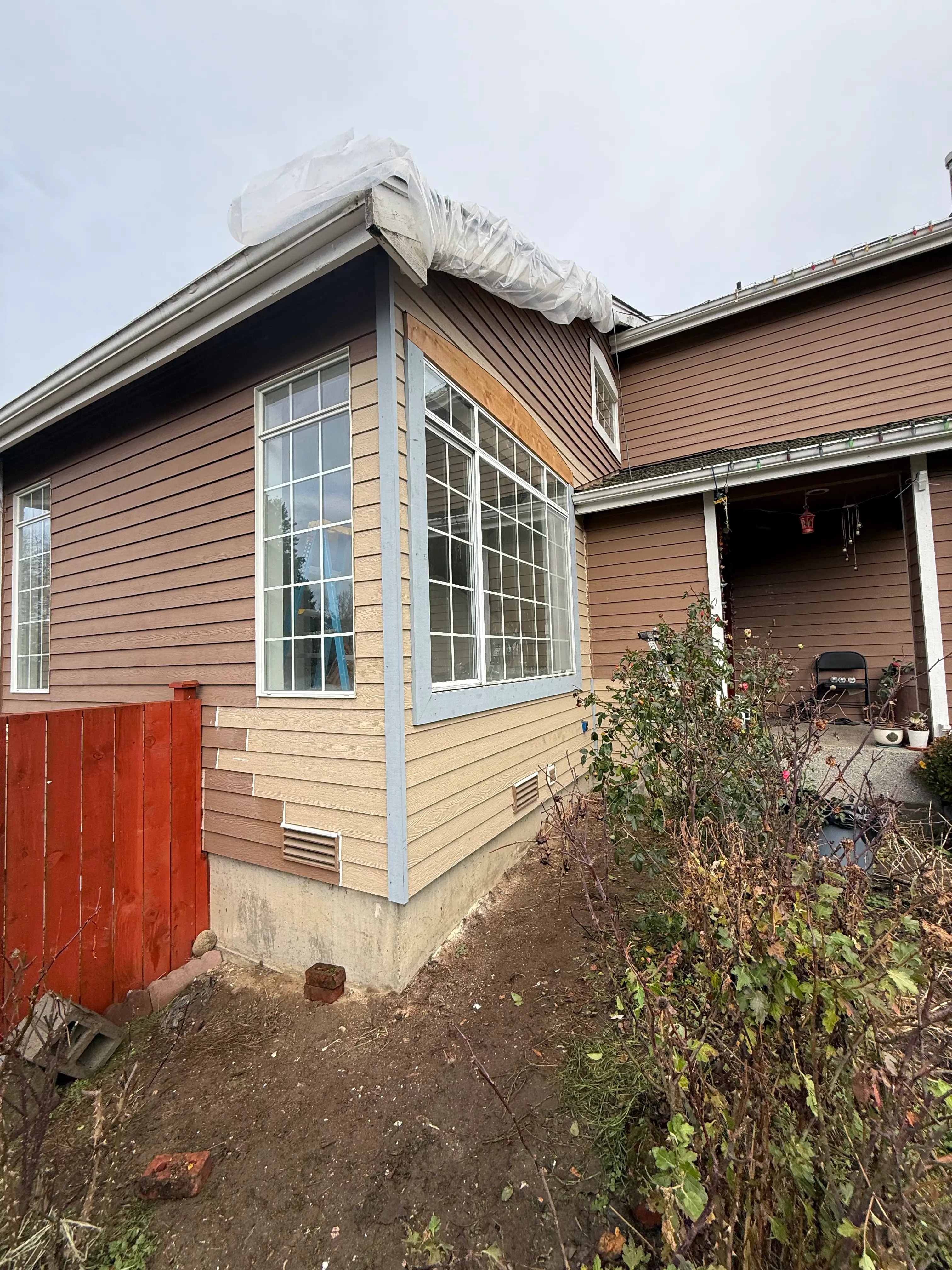
Moisture damage often develops behind exterior finishes, inside deck assemblies, around siding transitions, or near trim that stays damp. Project photos help homeowners see why proper remediation must address both the deteriorated material and the leak, drainage, or flashing detail that allowed it to develop.

Moisture damage often develops behind exterior finishes, inside deck assemblies, around siding transitions, or near trim that stays damp. Project photos help homeowners see why proper remediation must address both the deteriorated material and the leak, drainage, or flashing detail that allowed it to develop.

Dry rot exposed behind exterior material during repair
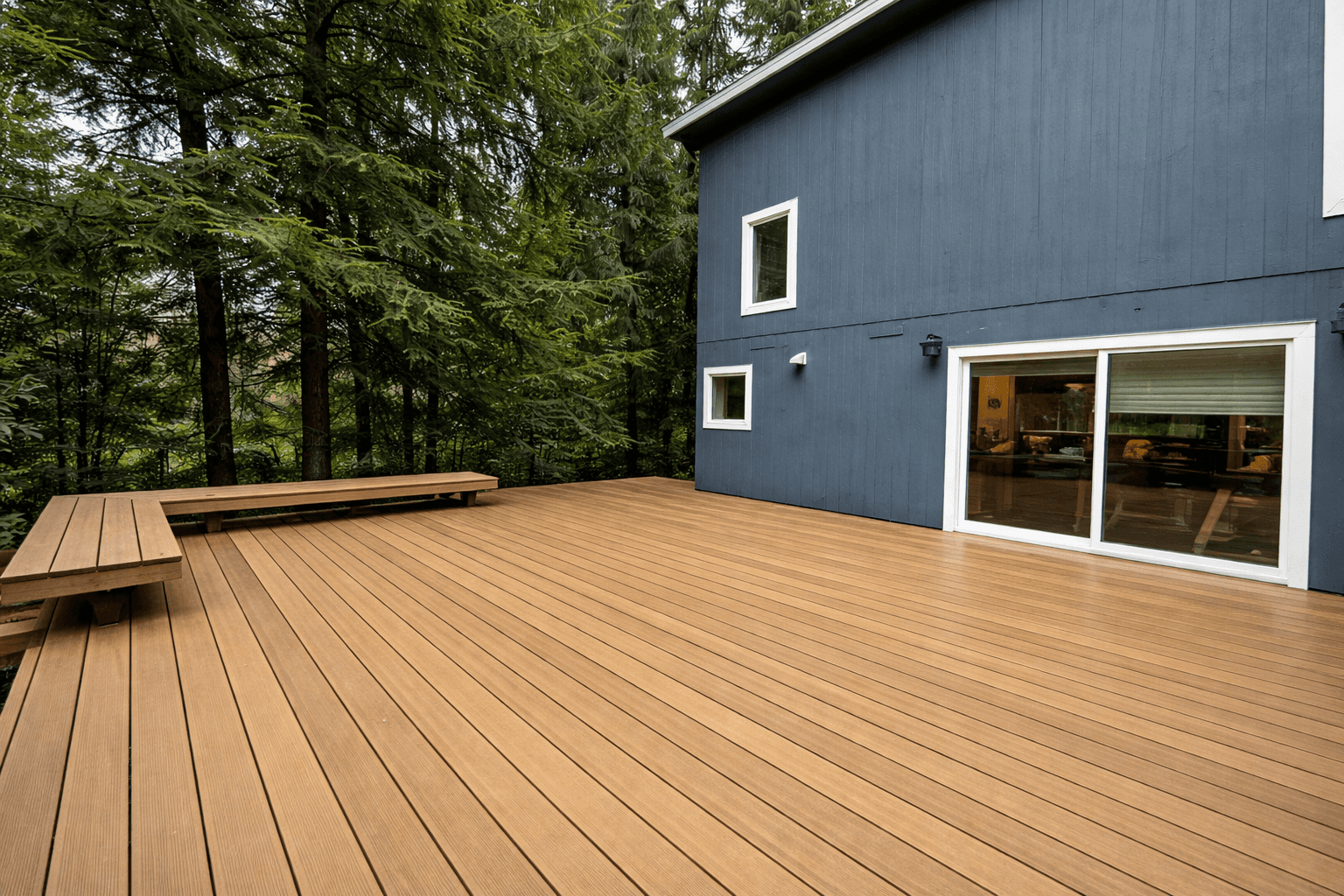
Deck and exterior repair project related to dry rot prevention
Siding and moisture damage repair connected to dry rot prevention
Waterproofing and exterior transition repair to reduce future dry rot

Common causes of exterior wood decay around Woodinville homes

Trapped moisture

Fungal decay needs moisture to take hold. On shaded Woodinville lots, siding, deck ledgers, trim, and framing can remain damp long after rainfall stops, especially where airflow is limited or debris traps moisture.

Failed water-management details

Open seams, poorly detailed flashing, aging caulk, and deck-to-wall transitions can let water slip behind the surface and quietly damage the wood below.

Repairs that wait too long

Soft spots, swollen trim, and bubbling paint may look minor, but waiting can allow damage to spread into sheathing, framing, siding, or deck structure.

Moisture damage rarely belongs to just one surface

Moisture damage rarely belongs to just one surface

Moisture damage rarely belongs to just one surface

A wood rot repair may begin with one soft board, but the cause is often connected to surrounding systems. A failing deck waterproofing detail can send water into framing. A siding joint can allow moisture into sheathing. A trim board can wick water into an exterior corner. That is why rot remediation often overlaps with structural repair, siding repair, deck repair, waterproofing, and exterior restoration. The strongest repair plan looks at how these systems work together instead of treating the damaged board as an isolated problem.

A wood rot repair may begin with one soft board, but the cause is often connected to surrounding systems. A failing deck waterproofing detail can send water into framing. A siding joint can allow moisture into sheathing. A trim board can wick water into an exterior corner. That is why rot remediation often overlaps with structural repair, siding repair, deck repair, waterproofing, and exterior restoration. The strongest repair plan looks at how these systems work together instead of treating the damaged board as an isolated problem.

Our moisture damage inspection and repair process

Inspect visible symptoms

We start with soft wood, staining, swelling, paint failure, and nearby exterior details that may point to hidden moisture.

Trace the moisture source

A repair fails when the water source remains. We look at flashing, drainage, deck edges, trim joints, siding transitions, and areas where debris or moss hold moisture.

Remove compromised material

Decayed wood must be removed back to sound material so the new repair is not built on a failing substrate. That may include trim, siding edges, sheathing, deck components, or framing.

Rebuild and protect

The rebuilt area should correct the damaged assembly and the water-management detail that caused it, so the same location is less likely to fail again.

When can damaged wood be repaired, and when does material need replacement?

When can damaged wood be repaired, and when does material need replacement?

When can damaged wood be repaired, and when does material need replacement?

Wood rot repair is not a one-size-fits-all process. A small trim section with localized decay may be repaired by removing the compromised material and rebuilding that detail correctly. But if decay reaches framing, posts, deck structure, sheathing, or load-bearing areas, replacement of damaged material becomes the safer and more durable approach. The right decision depends on how far the decay has traveled, whether the surrounding wood is sound, and whether the moisture source can be corrected.

Wood rot repair is not a one-size-fits-all process. A small trim section with localized decay may be repaired by removing the compromised material and rebuilding that detail correctly. But if decay reaches framing, posts, deck structure, sheathing, or load-bearing areas, replacement of damaged material becomes the safer and more durable approach. The right decision depends on how far the decay has traveled, whether the surrounding wood is sound, and whether the moisture source can be corrected.

How to reduce the chance of exterior wood damage returning

How to reduce the chance of exterior wood damage returning

How to reduce the chance of exterior wood damage returning

The best repair does more than replace damaged boards. It improves the conditions that allowed the area to stay wet. In Woodinville, that often means keeping gutters clear, watching shaded siding elevations, checking deck ledger areas, maintaining trim paint, and paying attention to moss or debris that traps moisture against the exterior. Seasonal maintenance is especially important after long periods of rain.

The best repair does more than replace damaged boards. It improves the conditions that allowed the area to stay wet. In Woodinville, that often means keeping gutters clear, watching shaded siding elevations, checking deck ledger areas, maintaining trim paint, and paying attention to moss or debris that traps moisture against the exterior. Seasonal maintenance is especially important after long periods of rain.

Keep water moving

Clean gutters, downspouts, and drainage paths so water is directed away from siding, trim, decks, and framing.

Watch shaded surfaces

North-facing walls, tree-covered areas, and shaded decks can dry slowly. These areas deserve closer seasonal inspection.

Fix small failures early

Open seams, failing paint, loose trim, and small leaks are easier to repair before moisture reaches framing or sheathing.

Wood rot repair questions Woodinville homeowners ask

Wood rot repair questions Woodinville homeowners ask

How do I know if exterior wood is decayed?

Common signs include softness, crumbling material, discoloration, a musty smell, cracking paint, swelling trim, or wood that breaks apart when probed. The most important clue is often the surrounding condition: nearby staining, recurring dampness, failed caulk, or a deck or siding transition that does not drain well.

Can I paint over damaged wood?

Paint can make the surface look better for a short time, but it does not restore strength or stop decay. If the wood underneath is soft or the leak remains active, the problem can continue behind the paint and become more expensive later.

Why is dry rot common in the Pacific Northwest?

The Pacific Northwest has long wet seasons, shaded properties, moss growth, and exterior surfaces that may dry slowly. When flashing, trim, siding, or deck details trap moisture, wood has more time to deteriorate.

Does wood rot repair include waterproofing?

Often, yes. If the decay was caused by a deck leak, failed flashing, siding joint, or drainage issue, the repair should include the waterproofing or water-shedding detail that prevents the same area from getting wet again.

BBB Accredited

A credibility signal for homeowners comparing repair contractors.

Licensed & Insured

Exterior repairs should be handled with accountability and care.

Warranty Options

Ask about workmanship and material coverage for your project scope.

Free Estimates

Start with a clear repair assessment before committing to work.

Related services that often connect to wood rot repair

Related services that often connect to wood rot repair

Seeing soft wood, swollen trim, or signs of hidden moisture damage?

Seeing soft wood, swollen trim, or signs of hidden moisture damage?

Schedule a Wood Rot Inspection

Premium exterior restoration, wood rot repair, decks, siding, and waterproofing for Woodinville-area homes.

© 2026 Eco Home Repair LLC. All rights reserved.

© 2026 Eco Home Repair LLC. All rights reserved.

© 2026 Eco Home Repair LLC. All rights reserved.