
Dry Rot Repair in Seattle, WA
Rotted siding, soft trim or water-damaged wood? We find the source, repair the damage and protect your home from future moisture.
- From $600
- Free on-site estimate
- 24-month warranty
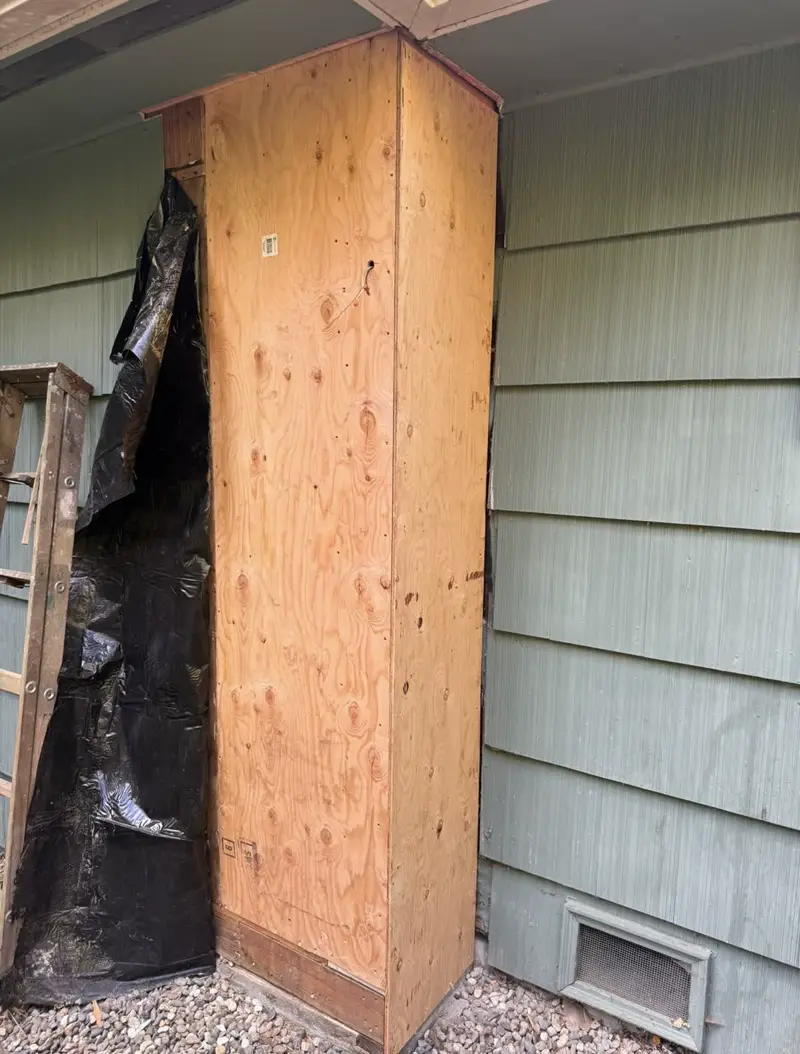
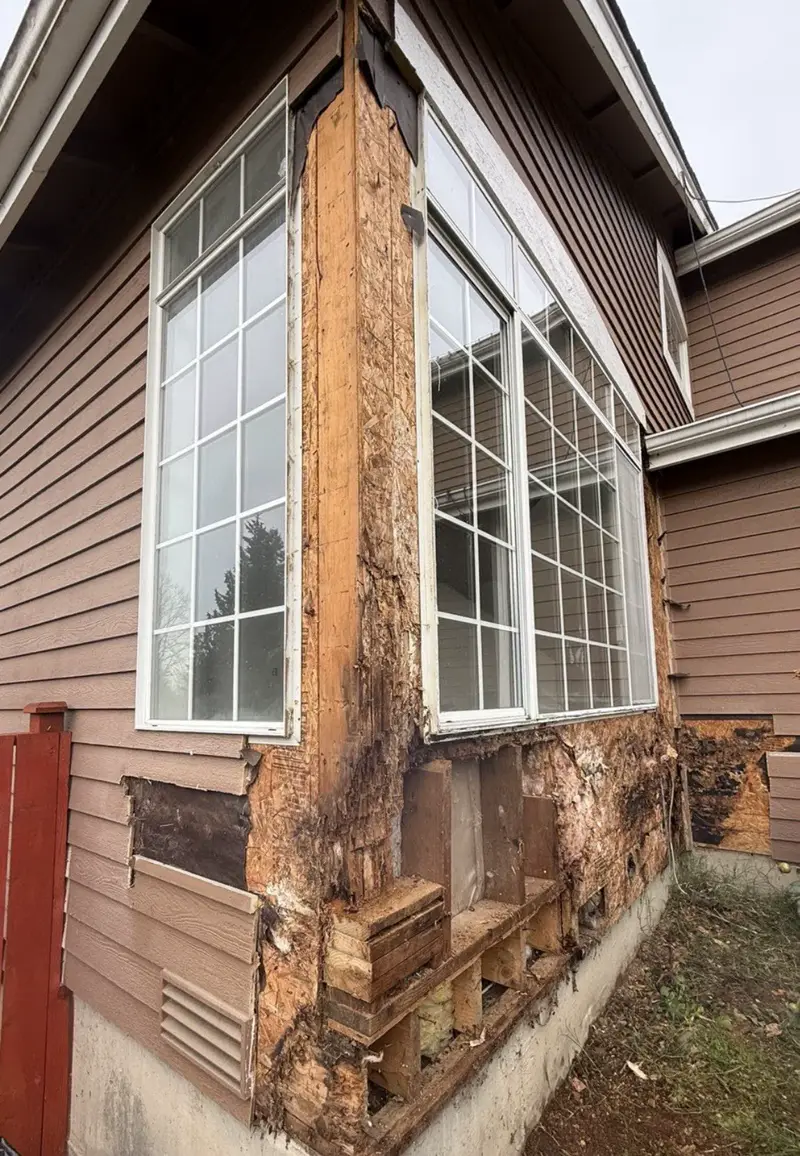 Before
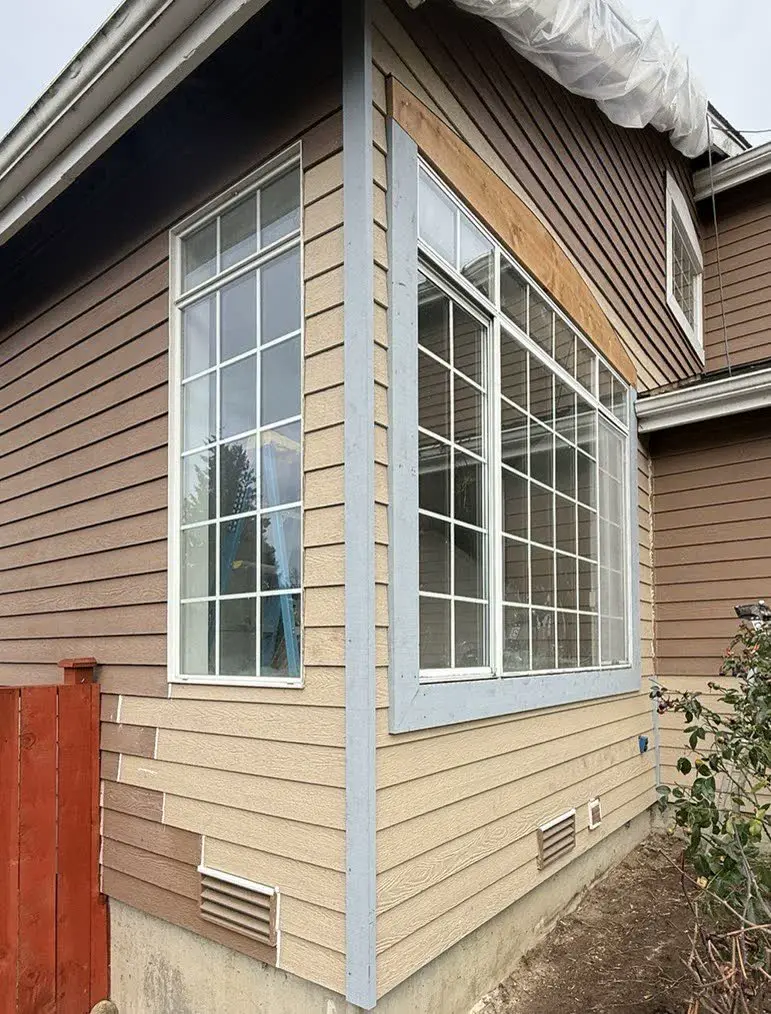 After
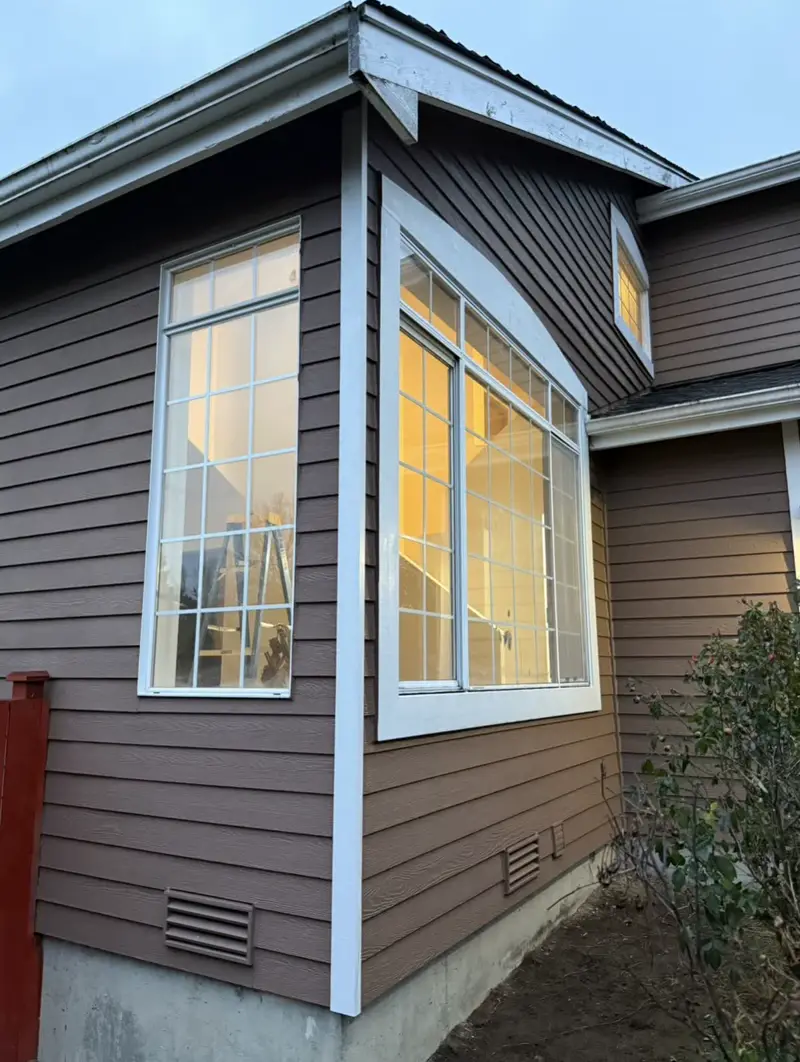
Corner rebuilt, sided and painted
Prefer to talk? Call (425) 600-7002
Soft trim, rotted siding or a spongy corner? We repair the wood and stop the leak behind it. A soft window sill or a bubbling corner board is usually the last sign of water that has been getting behind the paint for years. We open the area, follow the moisture back to where it came in, remove every piece of decayed wood and rebuild the framing, sheathing, flashing and trim so the wall can shed water again. We serve homeowners across Seattle and nearby Shoreline and Lake Forest Park.
Why rot repair comes up so often in Seattle
Old-growth cedar on a 1910s bungalow resists decay surprisingly well, so when we find dry rot on a Seattle Craftsman it usually traces back to a specific water path: a window sill with no slope, a failed paint seam at a corner board, or a downspout splashing the lowest course. We probe the trim, sills and sheathing around the soft spot, open the wall to find where the damage ends, and replace only what is truly gone. Then we fix the reason the water got in, whether that means flashing, caulk joints or drainage, before we prime and paint.
Most of the Seattle homes we work on are north of the Ship Canal. Ballard, Wallingford, Greenwood and Ravenna are full of Craftsman bungalows and foursquares from the early 1900s, along with brick-and-stucco Tudors from the 1920s and 30s. Many still wear their original old-growth cedar lap siding or shingles, nailed straight to board sheathing with no house wrap behind. Farther north, Lake City, Northgate and Maple Leaf filled in after the war with ramblers and daylight basements. Narrow city lots, alleys and tight side yards are the norm, and newer three-story townhomes with rooftop decks and mixed siding have replaced many older houses near the commercial streets.
Seattle’s winters are long, gray and drizzly rather than stormy, so exterior wood rarely gets a full drying day from October into spring. On homes near the water, wind off Puget Sound or Lake Washington pushes rain sideways into the exposed walls. Tight lot spacing works against drying too, because a wall that faces a neighbor five feet away almost never sees direct sun. The result is slow, steady decay at window sills, siding butt ends, deck ledgers and porch floors rather than one dramatic failure.
Our crew comes out from our Woodinville office, and we also work in nearby Shoreline, Lake Forest Park, Edmonds and Kirkland.
Process, pricing and warranty
Every rot repair job follows the same steps: a free on-site inspection, a written estimate with photos, a dry and protected work area, and a 24-month workmanship warranty when we finish. Typical prices, material choices and the full step-by-step process are on our main rot repair page.
When to call about rot repair in Seattle
- Siding that bows, pulls loose or is stained below windows
- Rot found by a home inspector before a sale
- Mushroom-like growth, stains or a musty smell near walls
- Wood that feels soft when you press it with a screwdriver
- Gaps, cracks or swelling at corners and window sills
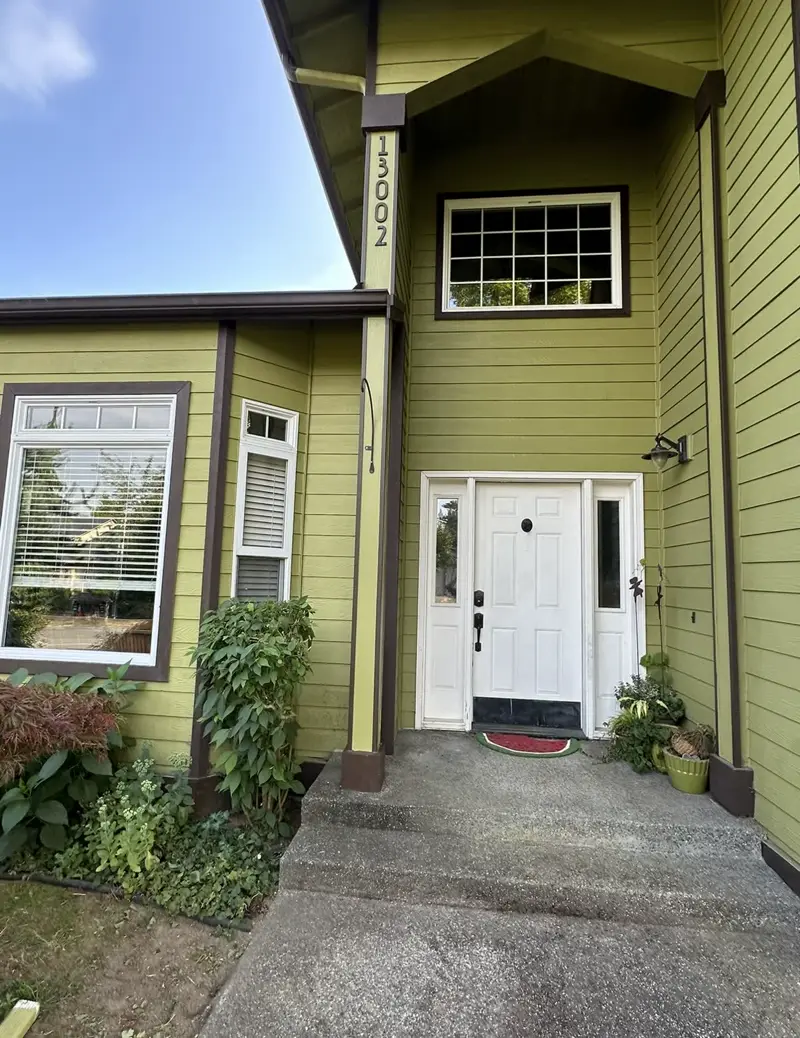
Recent rot repair projects near Seattle
What we do in Seattle
Siding at the corners
Corner boards and the bottom course hold water against the sheathing.
Fascia and soffits
Clogged gutters and no drip edge keep the fascia wet all winter.
Roof-to-wall joints
Missing kick-out flashing sends roof water straight into the wall below.
Door thresholds and jambs
Doors without a sill pan leak into the subfloor and jamb.
Deck ledgers and rim joists
Where the deck meets the house, poor flashing rots the rim from inside.
Sill plates and lower walls
Soil, bark and splash-back rot the framing at the bottom of the wall.
Neighborhoods and permits in Seattle
Conditions change block to block. Magnolia and the Ballard bluffs take open wind off the Sound, so west and south walls weather fastest. Laurelhurst and View Ridge face Lake Washington with similar lake-driven rain. Ravenna and the Thornton Creek corridor through Lake City sit under big trees in damp ravines, where moss and shade keep siding wet. Phinney Ridge and Queen Anne get more sun but more wind, while dense Fremont and Wallingford blocks shade each other.
Small like-for-like repairs often don’t need a permit, but structural work, new decks, and larger siding or window replacements usually do. The City of Seattle handles permits through its Department of Construction and Inspections, and homes in historic districts may need extra review. We check with the City of Seattle before starting and tell you up front if a permit is part of the job.
What homeowners near Seattle say
5.0 average from 113 reviews on Google, Thumbtack, Angi, HomeAdvisor and Yelp. Read all our Google reviews · Leave a review
Questions Seattle homeowners ask about rot repair
Can you repair original cedar siding on my old Seattle house instead of replacing it?
How much does rot repair cost in Seattle?
Can you repair rot found in a home inspection?
How do I know if I have rot and not just peeling paint?
What is the difference between dry rot and wet rot?
More from our crew in Seattle
Rot repair near Seattle
Tell us about your rot repair project in Seattle
- Licensed, bonded & insured
- Free on-site estimates
- 24-month workmanship warranty
Book a free rot repair inspection in Seattle
We inspect the damage on-site, show you photos of what we find and give you a written price before any work starts.